Sunday, April 29, 2018
Hassan's True Beauty
Although there are tears in his wings and dirt sprinkled around his edges, this butterfly is still considered beautiful. Throughout Hassan’s life, he is let down by multiple people. He is burdened by many people’s sins and lies, such as Assef’s dirty actions, Baba’s neglection to tell the truth, and Amir’s cowardliness. All of these occasions add tears in his metaphorical wings. However, Hassan continues to stay true to himself by being kind and hopeful, two of his strong personality traits that make him beautiful. For example, he never loses faith in Amir to come home, as seen through the quote “‘What will {Amir} think when he comes back to Kabul after the war and finds that I have assumed his place in the house?’” (208). Just as the butterfly’s beauty is not altered by his gashes and missing pieces, Hassan proves that although he has been damaged and dirtied by the mistakes of others, he is able to sustain his true beauty.
Thursday, April 26, 2018
Redemption
In order for Amir to find closure, he must return to Kabul and his past to move beyond his guilt for betraying Hassan. When Amir visits Rahim, he learns that Hassan is his half brother and that he has a nephew who needs saving. Through saving Sohrab, Amir is able to put the pieces of his past together, and, like a tightly paved, brick path, he turns his life in a positive direction. As Amir moves forward on his clear path, the scattered stones and dirt of his past will always be near, shaping his actions and beliefs. His loyalty to Sohrab grows, like a new spring plant, from the guilt of his past actions and his desire to redeem himself.
Amir's Guilt is a Dropped Sandwhich
This is a metaphor for Amir's guilt after Hassan's rape. The pieces of the sandwich on the ground represent how, after Assef rapes Hassan, Amir's world falls to pieces because his guilt prevents him from forming relationships with other people. There are many different pieces of the sandwich on the ground, like bacon, pickles, and lettuce, each which represent another thing that Amir tries (or doesn't try) to redeem himself for letting Hassan get raped. The people around the sandwich are trying to pick the pieces of the sandwich up, but there are too many pieces for one person to just pick up alone. This is just like Amir's guilt because he will have to do multiple things and get advice from multiple people to earn redemption. Ultimately, Amir will be able to pick up the pieces that his guilt and inaction have left him by the end of the book, but not without leaving a stain on the stone floor. And, in the end, Amir will never be able to achieve true freedom because his incident with Hassan will always leave a scar on Amir's emotional stability, just like the person's sandwich, which is now stained.
Baba's Struggle to Accept All Cultures (Repost)
In The Kite Runner, Baba emphasizes at many times the importance of many Pashtun traditions/codes of living, such as a mutual respect for others, pride, and how all theft is sin.
When Baba arrives in America, he continues to uphold these beliefs, such as when he refuses the money the government gives them. However, because of a difference in cultures, he fails to understand how in trying to uphold the "mutual respect" at the grocery store, by taking the oranges, he is committing what Americans consider "theft". In this photograph, the hand taking the flower represents Baba's willingness to take what's there- in Afghanistan, the flowers are public property and therefore there for everyone to pick. However, in the States, the flowers may be considered someone else's property and are not okay for people to pick whenever they want.
Wednesday, April 25, 2018
Sohrab - a blossom of hope
The single purple blossom in this photo represents Sohrab and the new hope he offers, while the dead & decaying flowers surrounding it symbolizes Amir’s relationship with Hassan. The leaves in between assume the roles of Rahim Khan, Soraya, and various other characters who have helped develop Amir’s character along the way, but in the end prove to be merely witnesses of the morbid cycle that is coming to a close.
The dichotomy of the flowers can be interpreted quite literally, as Hassan is actually dead, while his son lives on. However, on a deeper level, the dead flowers represent the decay in their relationship than began decades before he was murdered by the Taliban. From the beginning of the novel, it is apparent that there are many major flaws in their friendship - if it can even be called that. Hassan practically worships Amir and considers them to be the best of friends, while Amir doesn’t even see Hassan as his equal. Their situation is infinitely worsened by Amir’s actions after the kite races, when he abandons Hassan and watches as he is attacked and raped by Assef’s gang. The whole thing is further skewed when it is revealed that the two were half-brothers the whole time, a fact concealed from both of them by Baba. While their relationship might have begun as beautiful, just as these flowers were at some point, it has since fallen into a state of complete decomposition. Sohrab is the only hope of redemption for Amir, a blossom of hope in an otherwise ruined situation. At least in the eyes of Rahim Khan, Amir rescuing Sohrab from the grasps of Assef and the Taliban will restore balance and finally bring an end to the vicious cycle of lies & betrayal, redeeming Amir as a person. He tells Amir, “there is a way to be good again” (226), and he truly believes it. Although there is no possible way to bring Hassan back from the dead, Amir hopes he can still make things right between them by rescuing Sohrab.
Labels:
Kite Runner Metaphors,
Lexi Crilley,
Manuel Macias
Amir's Internal Conflict
This drain represents Amir and his internal conflict with himself about forgiveness. The first aspect is the drain itself which represents how he tries to flush away his past mistakes and feelings. He does not want to remember or think about all the sins he has committed and uses this emotional drain to wash the feelings away. However, Amir is unsuccessful in trying to forget about his past, because some of his "emotional garbage" is too big and will not go away. This is seen with the leaves, berries, and trash that are sitting on top of the drain, but unable to get through. An example of this is when Amir thinks about how if he had chosen different actions, things would have worked out better for Hassan. He thinks "But I had driven Hassan and Ali out of the house. Was it too far-fetched to imagine things might have turned out differently if I hadn't?"(226). A final aspect of this is the drain being surrounded by stone. This shows the way that Amir has isolated himself from all the other people around him. This is shown when he decides to not share his past with Soraya. He proves this with the lines "I envied her. Her secret was out. Spoken. Dealt with. I opened my mouth, almost told her how I betrayed Hassan... But I didn't"(165). Altogether, this drain exemplifies the internal conflict that Amir has about self-forgiveness.
Labels:
Ethan Ruyack,
Kite Runner Metaphors,
Michelle Odnert
Connection to Baba
This cactus represents Baba's appearance, as he appear to be very tough and stuck in his ways. Cactuses are intimidating in their demeanor and so is Baba. If you look closely though, you can see that this cactus does not have spikes. This represents Baba's weakness and soft spots. This caused him to be weak and have sex with Ali's wife. Although, this also made him have a soft spot for Hassan, and made him love him no matter what. The cactus is also not centered in his bowl. This additionally displays how Baba rejected some Afghan traditions. He was not religious, which is really surprising for a man that seemed to carry Afghan values very highly. He is different, yet very similar to other Afghan men, and this is shown in the crookedness of the cactus.
Tuesday, April 24, 2018
Connection of Amir and Farid
The relationship between the lighter and the candle is similar to the relationship between Farid and Amir. The candle represents Amir because he needs the help of Farid, the lighter, to succeed. Without the lighter, the candle could not start and keep a flame. The lighter supplies the candle with the flame it needs to burn. Additionally, this shows that the candle can later survive without the candle. This is reminiscent of Farid and Amir once Farid leaves Sohrab and Amir in Islamabad. The pair are still able to survive without the help of Farid. Lastly, this image shows the similarities and connections between two extremely different things. These two objects need each other, much like how Farid and Amir need each other. Amir is able to get help in traveling and hospitalization while Farid is exposed to his judgmental mindset and is rewarded monetarily in the end.
Avoiding Punishment and Redemption
These images symbolize the consequences that arise from Amir's failure to atone for his sins and redeem himself. The white, non-wrinkled paper represents Amir's clean slate at the beginning of the story when he was guilt-free and on good terms with Hassan. However, after Hassan's incident with Assef and Amir's betrayal, Amir's guilt worsens dramatically. Attempting to cope with his guilt and avoid suffering the consequences, Amir keeps the incident to himself and tries to bury the memories of it. However, the more he tries to "erase" the memories, the harder it becomes for him to seek redemption, which is seen in the second image; erasing actually creates more wrinkles and dents in the paper. These wrinkles and dents are now permanent, and it would be almost impossible to get rid of them and make the paper look like its original, non-wrinkled state. This is similar for Amir - keeping the secret and feeling guilty for so long has created more "wrinkles". Even though he thinks that it is better to bury his memories than to face his fear of being punished, it is hurting him and making it difficult to achieve redemption.
Baba's Struggle to Accept All Cultures
In The Kite Runner, Baba emphasizes at many times the importance of many Pashtun traditions/codes of living, such as a mutual respect for others, pride, and how all theft is sin.
When Baba arrives in America, he continues to uphold these beliefs, such as when he refuses the money the government gives them. However, because of a difference in cultures, he fails to understand how in trying to uphold the "mutual respect" at the grocery store, by taking the oranges, he is committing what Americans consider "theft". In this photograph, the hand taking the flower represents Baba's willingness to take what's there- in Afghanistan, the flowers are public property and therefore there for everyone to pick. However, in the States, the flowers may be considered someone else's property and are not okay for people to pick whenever they want.
Labels:
Jahn Guevara,
Kite Runner Metaphors,
Sophia Zhang
Sohrab Intervenes in the Fight
When Sohrab intervenes in Amir and Assef's fight, he finds the inner strength to fight against cruelty, even though people his age and size would not be expected to act in this way. This strength relates to the strength of an ant, which carries heavy weight (food and other materials) in order to survive. Sohrab is carrying the tremendous weight of his past and traumatic childhood, which he must constantly uphold in Afghanistan during the time period dominated by the Taliban. He was previously scared to stand up to these people, but in the midst of the fight, he gathers the strength to act courageously and save Amir. Additionally, ants are small and vulnerable to being crushed by greater forces. Sohrab is a small Hazara boy in an area of Taliban control, which threatens his safety. However, he escapes these forces and manages to survive in the fight. Ants also have the instinct to help others. Ants constantly work hard to help members of their colony survive by gathering food and helping the young. When Sohrab steps in, he is sacrificing his own well being in order to help Amir survive.
Amir and Baba's Relationship Through Locks
Amir and Baba look very different at face value, despite how they may have tried to work with each other to improve their relationship. Amir is weaker, as can be seen in the deteriorating red lock, while Baba is stronger, prideful, and willing to risk his life to save others, as can be seen in the shiny new lock. People admire Baba, while they tend to look down on Amir because of his incapability to live up to his father. Even though they are very different on the exterior, Baba and Amir share the same deep regretful secrets inside, just as the locks hold in their secrets, and are very unwilling to share. They keep these secrets almost under lock and key. Their guilts burden them, but both are terribly unwilling to speak of them and let go, for fear of how it will come back to affect them. Baba's was more hostile to his son, because when he saw Amir, "he saw himself. And his guilt"(301). The fear affects Baba so drastically that he is willing to defy the one thing he believes is the worst sin, to lie, and hide things from the children that he bases his life around.
"When he saw you, he saw himself. And his guilt... when your father was hard on you, he was also being hard on himself. Your father, like you, was a tortured soul, Amir jan"(301).

"When he saw you, he saw himself. And his guilt... when your father was hard on you, he was also being hard on himself. Your father, like you, was a tortured soul, Amir jan"(301).
Labels:
Johanna Doyas,
Kite Runner Metaphors,
Lina Tellefsen
Covering up the cracks
Amir's Redemption Through Sohrab
This drain represents Amir's redemption through Sohrab. The purpose of a drain is to allow the rain water to be released so the rain doesn't flood and overflow the land. Sohrab is the drain, allowing Amir's past mistakes be released from his conscience. The rocks surrounding the drain represents the people in Amir's life who have influenced him to go on the path of redemption, such as Rahim Khan, Baba, Hassan. Rahim Khan encouraged Amir to come back to Afghanistan to find a way to be good again. Baba has always taught Amir to be courageous and to do the right thing. Hassan's loving character, friendship, and brotherhood have motivated Amir to gain redemption through Hassan's son. The drain must have a filter on top of it, as shown in the image above. That metal filter prevents big rocks from going into the storm drain. The grate bars (filter) are spaced so that the flow of water is not negatively affected. This symbolizes how in order for Amir to gain redemption, he must filter out any fears or doubts, allowing only the guilt to go down the drain by successfully gaining redemption. To do this, he must act courageously and be willing to sacrifice his comfort and safety for others.
Labels:
Claire Kwok,
Kite Runner Metaphors,
Sasha Graeser
Difference Between Amir and Afghanistan
Our image portrays a small, expensive, blue pencil which is used to represent Amir; and in the background there is dirt and rubble which portrays the ‘real’ Afghanistan. The contrast between these two is stark, as the blue pencil, with it’s manufactured features and lines is a direct opposite of the earthy, dry, and broken ground around it. The pencil is a good metaphor for Amir, as he, like the pencil i is elevated above the lower classes (dirt in this case) by his wealth and position in society as a child, and as such is not truly aware of the true nature of Afghanistan. The dirt, earthy and natural seems to represent Afghanistan well, as the everyday lifestyle of the majority of the population is more basic and “earthy” than that which Amir experiences. In the book, this contrast is illustrated by his experiences as a child, being granted lavish birthday parties and and “Schwinn Stingray” (101), while the rest of Afghanistan is living in poverty and without political power. All of this contributes to make Amir, in the words of Farid. “a tourist in his own country”.
Karma
Convoluted Idea of Karma
Ethan, Carsten, Carolyn
This circle represents karma and how "what goes around comes around". Baba is the circle in the middle while karma surrounds him. An instance of karma is when Amir tells Baba that he has cancer when they have a picnic, and Baba dismisses this comment and tells Amir to get a soda from the trunk. Years later, Baba is diagnosed with cancer. Hosseini shows how your actions will somehow come back and impact your life later. People's legacies are the trees while people are the leaves. People come and go and their actions affect those who surround them, but their legacies remain in the memories of others. Baba passes away, leaving Amir with his complex, convoluted legacy.
Amir and Soraya's Relationship: Representation in Two Flowers
Amir and Soraya's Relationship
This picture represents the relationship between Amir and Soraya. It features two flowers, with one completely open and another closed. In the book, Soraya opens up about her painful past while Amir keeps it inside of him. In our picture, one flower is opened up, representing Soraya, and the other flower is closed, representing Amir. This shows the contrast between their characters, with Soraya opening her past to Amir and Amir afraid of it and of revealing it to others. The flowers still remain close to each other even though one is already opened up, emphasizing their love for each other. This parallels the moment when Amir does not care about Soraya’s past and still loves her, despite her confessions about her past. Finally, the unique and vibrant colors of the flower depict the inner beauty and uniqueness in each of them. Both are kind-hearted and a decent person inside, but one chooses to open up and another chooses to stay closed. This picture shows the unique beauty of Amir and Soraya's relationship, characteristics, and personalities.
Pomegranate Tree
As children, Hassan and Amir would visit a Pomegranate tree close to their house. Many of their greatest memories took place at this tree such as Amir discovering that he wanted to become a writer when he shared his first story with Hassan. However, after the winter of 1975, this tree began to die symbolizing how their friendship was deteriorating. Amir even blocked Hassan out of his find so he could slowly rebuild himself and tried to grow flowers. This tree appears dead as the bear bark shows because they will never be able to truly rebuild their friendship. But when given the chance for redemption, Amir goes back to Afghanistan and find Hassan's son Sohrab. Amir centers his life around Hassan and finding Sohrab when he puts Sohrab before his life. The tree is centered in the image surrounded by Amirs prior priorities. Another example is demonstrated in the image because even though Amir and Hassan's chance to rebuild their relationship died with Hassan, Amir still has the opportunity to make up for his guilt and slowly allows himself to remember Hassan. Each flower that has grown back on the tree represents the memories that Amir is now giving himself permission to remember because he has finally begun to fight for Hassan through saving Sohrab.
Labels:
Kite Runner Metaphors,
Michaela Yip,
Sydney Aaron
Ethnic Eradication
Continuity and Change
This photo shows just how quickly things change - the Blue car symbolizes the change that had overcome Kabul in the time that Amir was in America while the Red car symbolizes the Kabul from Amir's past. Although the Red car is a newer, shinier model, Kabul was newer and in a more pristine condition in the past as opposed to the present, where the Taliban has devastated the area. Both cars are parked under two healthy, green trees which symbolize how some things will never change(like the food in Kabul), and will always symbolize hope for the future. Meanwhile, the dilapidated fence behind the two cars also symbolizes the darkness caused by the deeply rooted conflicts in Afghanistan.
Labels:
Gabriel May,
Ilona Lahdesmaki,
Kite Runner Metaphors
Amir and Soraya's relationship
![]() |
| Amir & Soraya, represented by two water fountains |
The one on the right and the one on the left look almost exactly alike, much like how both Amir and Soraya have pasts involving letting their fathers down and shaming their family, but they operate in different ways - the one on the left does not dispense water and does not function properly. This fountain represents Amir, who cannot express how he feels about his childhood, and cannot function as a full adult because of it. The fountain on the right works normally and lets out water, much like Soraya, who can talk about how she feels about her past and try to be a healthy adult. The fountain that represents Soraya is also positioned higher than Amir, which reflects how from Amir's perspective in the novel, Soraya is morally superior to Amir because she is courageous enough to admit her past.
However, both fountains use the same pipes and the same source and would let out the same water if they both worked, just like how Soraya and Amir depend on each other for strength and happiness. Both represent a new beginning to the other - Soraya being Amir's first love, Amir being the first person to forgive Soraya for her "shameful" past - and both make the other happy.
Labels:
Campbell Gilbert,
Daniel Hu,
Kite Runner Metaphors
Hassan and Amir's relationship through a Tree Blossoming
This image represents Amir and Hassan's relationship. The trunk shows how the two started in similar situations in terms of not having a mother and in terms of how Baba treated both of them in their youth. However, as the trunk becomes a branch, their experiences start to differ and their relationship starts to become bumpier and more unsure. Finally, when Amir returns to Afghanistan and receives a punishment for his betrayal and saves Sohrab, his relationship with Hassan blooms into a flower. This shows how even though Hassan is dead, Amir feels like he has been redeemed, and is finally at peace. Even though their relationship was, at times, tested, they can move on to have a benevolent end.
Labels:
Ava Milliken,
Kite Runner Metaphors,
Stephanie Yue
Soraya's One Impurity
This image represents Soraya's past relationship and how it affects her life. Because of her one previous boyfriend, Soraya has been unable to find a husband before Amir. Most men reject her because of her one small "impurity". She is like a flower with one missing petal--the small difference doesn't really matter, but most people would still not pick it over others. Thus, the flower is pruned from the bush--indicating that to most, she is not a potential wife. Amir is the one person that has accepted her, partially because he himself is impure. Soraya has found her place with Amir, so the flower is perched on the malformed bush.
A Cherry Tree for Redemption
To Amir, Sohrab is the stepping stones he can use to reach the cherry tree of redemption, a way he can use to "be good again"(2). Throughout The Kite Runner, Amir reflects on his guilt and "unatoned sins" of the past, which repeatedly haunt him in various manifestations, such as Soraya's empty womb and Assef's bloody brass knuckles. Sohrab is a way for Amir to reach the optimistic, blossoming future set forth by Hassan. In this photo, we use the rocks as a representation of Sohrab and his ability to lead Amir to a better future filled with the flowers of opportunity and for a life for himself, freed from his past of contemplations of his sins. The flowering cherry tree in the photo represents a redeemed life for Amir, with him being able to find happiness with Soraya and Sohrab himself. The plants that loom conspicuously over the rocks demonstrate /symbolize the challenges Amir has faced on his journey through life. From a childhood bully, Assef, to traveling millions of miles across the world, Amir has faced many a challenge. These objects collectively represent Amir's journey to being at peace with himself.
Labels:
Ilsa Askren,
Kite Runner Metaphors,
Rachael Shaver
Baba Holding Back the Corruption
This image relates to when Baba saves the young woman from the Russian soldier on the way to Pakistan. When they're stopped at a checkpoint by a Russian soldier, he demands that the woman spends a night with him in exchange for passage. Baba acts as a fence when he risks his life by refusing and standing in front of the soldiers gun. In doing this, he protects the innocent woman like the fence separates the grass from the generator. The generator represents how the war has corrupted the land, which was once as innocent as the woman. When Baba demands that the man have dignity, he is trying to protect whats left that is pure, like the grass.
Baba's Love for Amir and Hassan Based On Social Status
Baba's Love for Amir and Hassan Based on Social Status
As seen by Rahim Khan's letter to Amir, Baba's love for the two boys was challenged by the social hierarchy in Afghanistan. Since Hassan was a Hazara, he was placed lower than Amir. Also, because Baba had Hassan with another woman, it was dishonorable to love him as much as his own son. Due to these constraints, Baba took his anger out on Amir, instead of treasuring the one son he is allowed to love. The fully-bloomed flower represents Hassan's ability to grow and be loved by a fatherly figure, Ali. There are a few petals taken from this bloomed flower because Hassan's social status has led him to unfortunate experiences, such as his rape and not receiving love from Baba. Because he is neglected by Baba throughout his childhood, Amir has been deprived the proper means to grow. Therefore, Amir is a wilted flower and he is out of focus because Baba focuses more of his attention on pleasing Hassan because of his guilt.
Stereotypes

The open field represents one of the stereotypes found in the novel when Farid judges Amir during their drive to Afghanistan. Farid guesses about Amirs past and includes accurate details about how Amir grew up. Including his wealthy father, big house, American car, and Hazara servants. The open field represents how Amir was so easy to read during the drive and how his past is obvious based on his current situation. His current situation includes visiting from America and being wealthy. He was easy to read for Farid because Farid is use to seeing these types of people return in hopes to sell property and obtain more money. The cars in the back of the field represent Amir leaving America and his situation there, including his wife, to finish his business in Afghanistan. The cars are in the background because America is a place that Amir is leaving behind while he focuses on Afghanistan. The dirt represents the new living conditions he discovers when visiting Afghanistan for the first time in over 10 years. He sees poverty and doesn't recognize the place he grew up in. Amir is shocked to find out that Afghanistan has changed so much. These types of stereotypes show how Amir living somewhere like America is such a drastic difference.
Closed Off
Our picture is a locker with two locks, one pulling on the other. The locker represents how Amir has closed himself off after the rape of Hassan. Inside the locker is Amir's secret that haunts him every day: that he watched Hassan and did nothing to help him. The first lock is Amir, who is trying his best to keep this secret to himself, even to his wife Soraya, when he thinks "I envied her. Her secret was out. Spoken. [...] I opened my mouth and almost told her [...] But I didn't"(165). The second lock is Hassan, who is weighing on Amir. When he later visits Rahim Khan decades later, just the mention of Hassan's name sparks "the thorny barbs of [his] guilt" (202). The lock is open because Hassan is still open to his friendship with Amir, but Amir is fixated on his secrets and keeping his feelings closed off.
Labels:
Kite Runner Metaphors,
Natalie Mell,
Nicole Player
Rahim Khan and Baba's Relationship
![]() |
| A doorstop not outside of a bathroom. |
Rahim Khan is like a doorstop. In our metaphor, we would consider Baba to be the door, and Rahim Khan supports him even after his indiscretions. Rahim essentially props him up and makes sure he does not close himself off from Amir. Like a doorstop, Rahim seems to constantly propagate this space in between, acting as the potential for Amir and Baba's relationship to heal after Baba's secrets are revealed. This can be symbolized as Rahim holding open the space between the door and the doorframe, in order to give Amir a chance to come in and forgive his father. The rubber on the end of the doorstop symbolizes how Rahim has always acted as the softer and seemingly more supportive father figure to Amir, even softening the blow of Baba's secret. This soft rubber is in juxtaposition with Baba's cold, hard steel of the door, a parallel to how they treated Amir throughout his childhood and even continuing to his adult life.
by Daniela Gloster & Divya Jakatdar
The Relationship between Amir and Sohrab
There are three main elements in this photo, which are the cherry tree, which casts shade over the flower bush, and surrounding concrete. The cherry tree is a representation of the emotional guilt suffered by Amir, as shown by the dark gradient of the leaves. The Crimson color of the leaves is to show how the blood that Hassan shed as forever stained Amir. A flower bush still blooms beneath it. This flower bush is the relationship between Amir and Sohrab. The shade cast by the cherry tree does not prevent the flowers from blooming, just like how the looming past of Amir does not stop him from sharing a bond with Sohrab. However, the flower bushes' growth is hindered by the concrete which engulfs it. This concrete is a representation of the harsh reality of Sohrab's situation; it is difficult for Sohrab to move past the trauma that losing a father and becoming a slave to the Taliban has created. However, the relationship between the two of them still exists, but it cannot grow past a certain limit due the shade of the cherry tree and the surrounding concrete border.
Amir Confronting His Past
In this photo, Ian is a representation of Rahim. When he pushes the water fountain it can be connected to when he spoke to Amir on the phone about Kabul. This push makes the water fountain produce water, which represents Amir’s decision to visit Afghanistan and confront his past. If you go too long without water, you will slowly die, and if you go too long without confronting your past, you're going to slowly lose your mind. Therefore, when Ian drinks the water that represents Amir visiting Afghanistan, he is confronting his past.
Hassan's Car-acter
This car represents Hassan in Kite Runner because of several traits. To begin with, a car's purpose in life is to help people. This is just like Hassan, who is always helping Amir and cares more about Amir's health and safety than his own. Additionally, the car is broken in the front; one of the headlights is falling off. This represents Hassan's harelip - he is regarded as lower class than other cars, even though he still works perfectly fine. Furthermore, Hassan is known for his extreme loyalty. Much like Hassan, this car is loyal; it won't leave you or ever go off without you. Finally, Hassan is an overwhelmingly positive person, even in the face of adversity or hardship. This car is coloured yellow, which widely known as a symbol of positivity and happiness.
Blooming of the Past

This photo illustrates Amir's mindset towards his past in Afghanistan as shown by the closed flower bud. He is closed off to feeling the emotions of his childhood as they are too painful and bring up sensitive characters. He will eventually have to bloom and fully display his character when he is freed of guilt as demonstrated by the bloomed flowers around the bud. Yet, as he arrives in Afghanistan, the deep center of the flower is not open to the world since Amir still hides from others and doesn't share his traumatic experiences. Since the bud is closed and not revealed to the world, Farid makes assumptions about what is behind the walls of Amir's personality. This is represented by the closed petals that do not give any insight into the flower it will become. However, it isn't until Amir faces Assef that the metaphorical flower completely blooms. When Amir is being beaten up by Assef he feels freed and allows himself to open up as symbolized by the yellow center of the flower. Throughout his return to Afghanistan, his journey is embodied by the process of a blooming flower.
Labels:
Katrina Arsky,
Kite Runner Metaphors,
Mia Van Deloo
Amir's Relationship Insecurities
This picture represents Amir's insecurities when it comes to his relationship with Baba. Baba is represented by the tree, and Amir is the trash can next to it. Amir feels inadequate next to his father. Baba, like the tree, is tall and strong, and adds to the environment. People appreciate him and he takes the spotlight. This is seen in the picture as the tree taking up a lot of the frame, and the trashcan being secondary and slightly behind it. Amir isn't similar to Baba, feeling like a different person from his father, like how a trash can and a tree are so different. They are also distant, as seen by the separation by the concrete walling. Amir also feels like he will never be as good and that people won't see him being as great as his father, seen in Amir being a trashcan, an object many find unpleasing or disgusting. But Amir is useful and helps the world in his own way, just like how a trashcan holds trash and keeps everything clean. Though Amir isn't a strong and powerful tree, he can still do good works and be a good person despite not being like his father. Amir begins to realize this at the end of the book.
Sohrab's Isolation
Sohrab's Isolation
Sohrab is like this isolated plant because he is small and vulnerable after his parents’
deaths and Assef’s repeated abuse. Because of his emotional trauma, Sohrab is
isolated from society, unable to trust others and unwilling to open up even to Amir.
His sadness is expressed through a continuous flow of tears like the water pictured
above. However, his acceptance of what happened and sorrow allows him to grow,
like how water nurtures a plant. The water also symbolizes new life. The
environment Sohrab lived in after his parents’ deaths is like the dry, desolate ground.
He was constantly witnessing pain and suffering while being sexually abused by Assef.
However, now Sohrab has escaped that life and is able to reflect on what happened to
him and reveal his emotions, he is able to move on and grow into new life.
Labels:
Cathy Wang,
Courtney Gibbons,
Daphne Ih,
Kite Runner Metaphors
Amir and Farid's Relationship
Our image represents the relationship between Amir and Farid. The table being the main focus, is on top of broken up stones which translates to the rocky foundation their relationship started on due to judgment and assumptions. The initial judgment towards Amir is shown in the table. Farid mentions that even though they both grew up in Afghanistan, Amir never really came to know his homeland because of his social status. Relating back to our image, the table top is the country and culture of Afghanistan they both share, and the all the seats seated around the table aren't connected to each other showing their differences, but each seat connects to the table showing they share the same values. Despite their differences, what brings the two together is, in fact, their culture (tabletop). For example, while staying in a rundown hotel in Kabul the two bond over Afghan jokes because no Afghan man "didn't know a least a few jokes about the bumbling mullah" (266). After setting aside their superficial differences, the two characters create a friendship built on Pashtun values.
Branchesd of Guilt on the Family Tree
Both Baba and Amir suffer from immense guilt due to past sins that have not been dealt with, placing them on this Tree of Guilt which demonstrates their shared state of guilt. However, they have vastly different responses to that guilt, as evidenced in these specific branches that represent the manifestation of their shame. Baba, as a man of action, chooses to do charitable works, illustrated by the vibrant green leaves on his branch, but he also unleashes his guilt onto Amir because he represents his privilege and impunity for his sin, seen in the dying leaves on his branch like their dying relationship from Baba’s abuse. On the other hand, Amir’s branch has no leaves, no works. He wishes to avoid his guilt and not deal with the pain he caused Hassan. Amir does not want to have any ramifications of his guilt, just as his branch has no leaves. These branches demonstrate the different exhibitions of guilt that can take root in different people.


Pride in Seclusion
In Khaled Hosseini's novel, The Kite Runner, Baba's relationship with pride represents this of a grand tree being caged by a man-made structure. From the beginning of the novel, Baba is illustrated as this accomplished and great man -- he built orphanages, wrestled "bears," and other things. This is illustrated by the tree in this image: it's size and strong roots. However, Baba has one weakness: his self-imposed isolation through his prideful nature. He is unable to see "colors" in his "black-and-white" world. In other words, he has trapped himself through his own actions; for example, Baba's rejection of food stamps, chemotherapy, and even his inability to deem Hassan as his son. All of these actions were motivated by pride and the protection of his reputation. This is represented by the man-made bench, acting as a "cage" for the tree. Like Baba, who made his "bench" and isolated himself through his egocentric nature. Through Baba's actions, he is unable to reach the level of character development that his potential holds. This represents the wooden floor, also man-made, which prevents him from growing any further than he could. Ultimately, this metaphor of a grand tree being caged by a bench represents Baba's relationship with pride in The Kite Runner.
Labels:
Kite Runner Metaphors,
michael maderal,
Rebecca Pan
Family Matters
Labels:
Kite Runner Metaphors,
Kylie Akiyama,
Lucas Bricca
Amir and Farid's Relationship Dynamic
This image exhibits Farid's relationship with Amir through the relationship of the 2 parts of this vehicle.
The wire fence in the alley represents their initial misunderstanding; Farid thinks that Amir is only working for profit and holds resentment. Their misunderstanding prevents their relationship from traveling anywhere or progressing, which is seen by how the vehicles are unable to escape the narrow alley of their initial relationship.
However, once they get the fence out of the way, Farid, the PowerBoss, has the power to guide Amir, the blue motor, across Afghanistan with his knowledge of the landscape and his connections. This is seen by the PowerBoss pulling the blue motor.
The broken down state of the blue motor represents Amir after his confrontation with Assef; even after this Farid sticks with him and transports him to the hospital, where he has the ability to recover. The chain connecting them represents Farid's loyalty to Amir even after Amir gets into a dangerous situation.
Labels:
Kite Runner Metaphors,
Nathan Huang,
Sanjeev Kumar
Sohrab Saves Amir
This image represents Sohrab saving Amir from Assef during the fight. Amir is the leaning bike, falling as he is emotionally and physically battered. He also connects to the wheel, as his emotions are a constant, never-ending cycle of guilt and regret. Sohrab used his slingshot to save Amir during the fight, therefore being his support system. This connects to the kickstand, which supports the bike. It also is similar to how Hassan was always helping Amir, as his support system; Sohrab parallels his father. The kickstand is also very small, seemingly weak, compared to the larger bike, yet it still firmly props it up. Similarly, Sohrab is a young, and frightened, boy, whom Assef assumed would watch the fight in fear, yet he intervenes. Though he is small, he is still able to save and assist Amir.
Labels:
Aurora Hindman,
Kate Ahrens,
Kite Runner Metaphors
A Whole New World
This photo represents the change in Baba's social status when he moves from Kabul to Afghanistan. In Kabul, Baba lived in a bubble, represented by the softball wall border, and was the tallest tree in the land. However, when Baba moved to America, or outside of the bubble, he felt smaller and less important in a country filled with millions of rich, successful, and influential figures, as shown by the much bigger trees in the background. In addition, the people in America had different mindsets and cultural beliefs than Baba, similar to how the trees in the background are different types of trees than the tree representing Baba, and so he never truly fit in.
Ali and Baba's Relationship
Soraya and Amir's relationship
This picture represents the relationship between Soraya and Amir. The wall of lockers represents the wall between Soraya and Amir caused by their inability to conceive and how the lack of children has left a hole in their relationship. The hand pulling the straps represents Soraya trying to understand Amir. However, she is unable to because of the lock on the locker, which represents Amir’s guilt and shame. Though he wants to let go of his secrets, which is shown by the straps hanging out of the locker, he is ultimately held back by his fear of judgement and his own shame over his actions as shown by the lock.
Directions for Kite Runner detailed metaphors connecting to themes and relationships
Instructions:
These are all pretty blatantly stated in text & we have talked about them a lot.
STEP 1: choose one aspect of the novel on which to focus
(ex: key relationship; personality trait of character; insecurity of character; key interaction; specific theme, etc.)
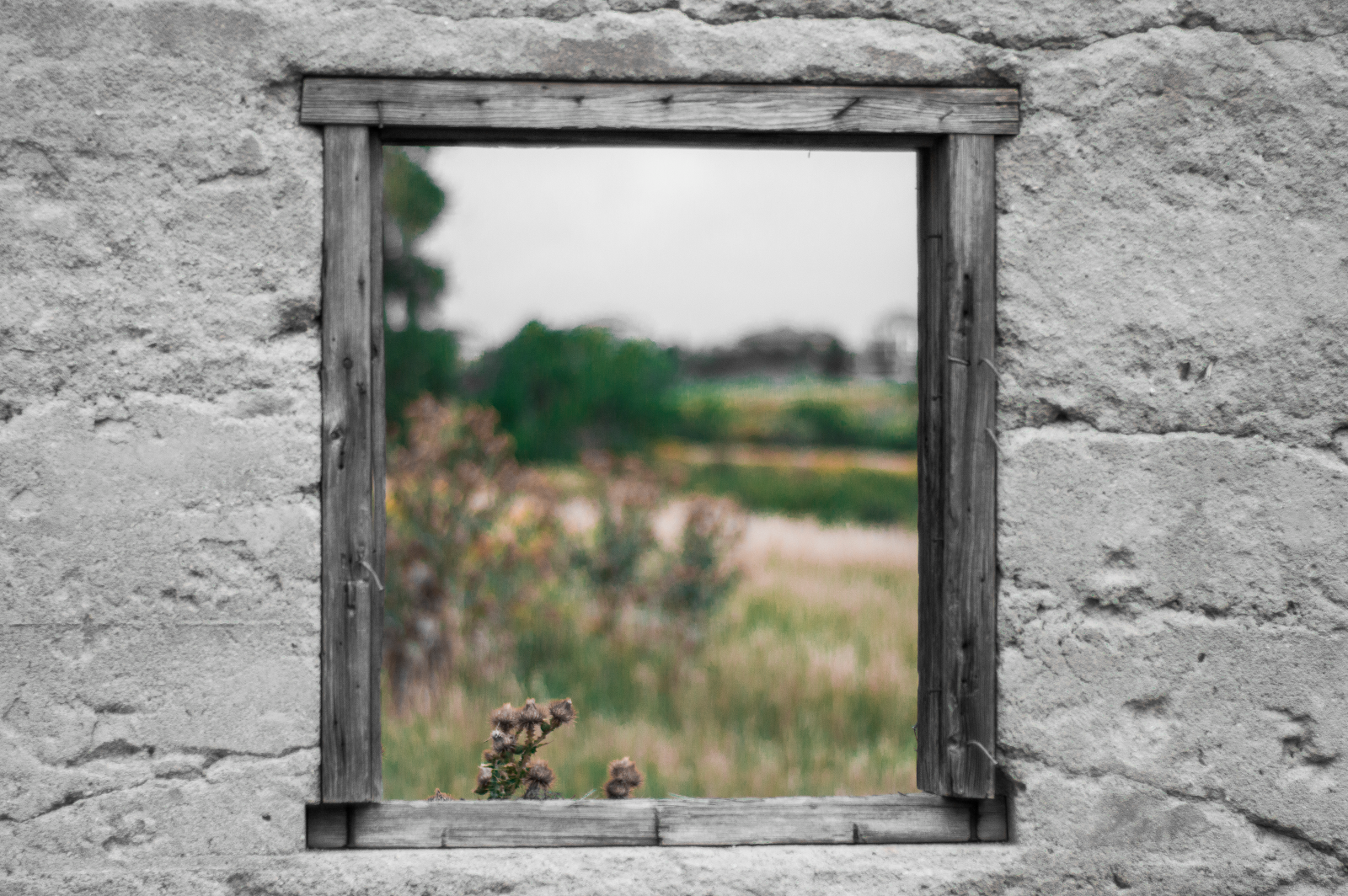
STEP 2: use your phone camera to take an image that serves as a metaphor for this aspect. It must include at least 3 specific elements that reveal different nuanced elements of your key aspect. Write paragraph and post with image on blog.
Sample:
This image represents Amir’s phone call with Rahim Khan. Amir has placed a stone wall between him and his past, refusing to speak of his relationship with Hassan to anyone- even his wife. When Rahim Khan calls, it is like a small window has been carved out of the wall, and he is offered a chance of redemption by facing his past. He begins to remember what he left behind, represented by the fuzzy landscape seen through the image. His mind is a blur; he suddenly thinks of “Baba. Ali. Kabul” (2). As he has hidden behind the wall for so long, he struggles to make sense of everything on the other side. However, his devotion for Rahim Khan is seen through the one flower in focus, and he chooses to focus on that. Because of his loyalty to Rahim Khan, Amir ultimately decides to return and learn of the possibility for redemption.
Important note: make sure you are going beyond the obvious!
Examples of what is too obvious:
- Hassan appreciates Amir more than Hassan
- Baba feels guilty when he sees Amir (or Hassan)
- Amir seeks redemption through Sohrab
- Amir feels like not having children is a punishment
- Amir feels relief when getting beaten by Assef
These are all pretty blatantly stated in text & we have talked about them a lot.
Your post:
Title: [your key focus]
Labels: Your Names, Kite Runner Metaphors
Body of Post: Include image and explanation of how that image represents something specific from the novel. Clearly explain at least 3 aspects of the photo that reveal different nuances of your key focus.
Subscribe to:
Comments (Atom)